Word Scholars
What is Structured Word Inquiry?
Key features of the Structured Word Inquiry approach to teaching literacy:
-
Commitment to giving students an accurate understanding of how the English writing system actually works from the beginning of their education
-
Integration of multiple components of language such as...
-
phonology - the sounds of spoken language corresponding to letters or letter combinations in written language
-
morphology - prefixes, bases and suffixes, which are the meaningful units of language that can combine to form words
-
etymology - the history of words, without which we cannot account for the spellings of many English words
-
syntax - how words are combined according to the grammar(s) of our language to form sentences and communicate with others
-
-
Emphasis on the meaning and usage of words as crucial factors in accurate reading and spelling (and, accordingly, avoidance of decoding or spelling words with no reference to their meaning)
-
Use of direct instruction as needed but also inquiry-based learning and scientific investigation of language
-
Careful scaffolding and pacing of study but no adherence to a particular "scope and sequence" or curriculum
-
View of the child as capable of noteworthy insights and of the teacher as co-investigator
-
Practitioners' commitment to continual learning and the revision of practice in response
Resources for understanding English orthography:


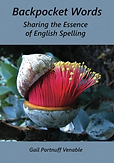
by Sue Hegland
by Gail Venable
Essential tools for Word Scholars:

etymonline: an online dictionary of etymology (consider supporting through Patreon!)

Word Searcher Find words containing any string of letters you input

Mini Matrix Maker: Once you've made several matrices by hand, you might enjoy creating some using this program.
Learn from leaders in the field:

See this comprehensive site by Pete Bowers for information on SWI, sample videos, opportunities for teachers (or parents!) to take classes, and an overview of the research on the efficacy of SWI.

Fiona Hamilton offers classes and workshops for teachers and schools. Be sure to check out The High Frequency Word Project for a fabulous instructional resource.

The excellent practitioners at The Literacy Doctor are especially skilled in working with neurdivergent students. Investigating English Spelling: An Interactive Guide to Understanding How English Spelling Works by Jennifer Petrich and Bradley Johnson is available for purchase.

Rebecca Loveless of Illuminate Words, co-author of The High Frequency Word Project, offers classes and mentorship for teachers - a great starting point for curious teachers and new SWI practitioners.

Lyn Anderson and Ann Whiting blog about their experiences teaching English orthography in classroom settings. Their beautiful and informative "field guides" to words are available for purchase.
With a passion for integrating the various components of literacy instruction, Bruce Howlett of Sparking the Reading Shift creates comprehensive, integrated literacy lessons intended to be simple for teachers to implement.

In the book Structured Word Inquiry: An Implementation Guide, Jennifer Constantine of Read and Spell and Kara Lee of The Literacy Doctor, offer clear guidance (and flexibility!) to teachers who aren't sure how to begin using SWI in their teaching.
Marie Foley, an SWI practitioner who builds upon her own experiences with dyslexia, creates brilliant visuals to aid student learning.

Shawn Pope-Jefferson's website, structuredwordinquiry.com, contains a wealth of information about SWI and its place in the field of literacy instruction.